


Health experts have raised concern over the continued impact of HIV on communities and businesses in Lira City, where an estimated 16,300 people are living with the virus.
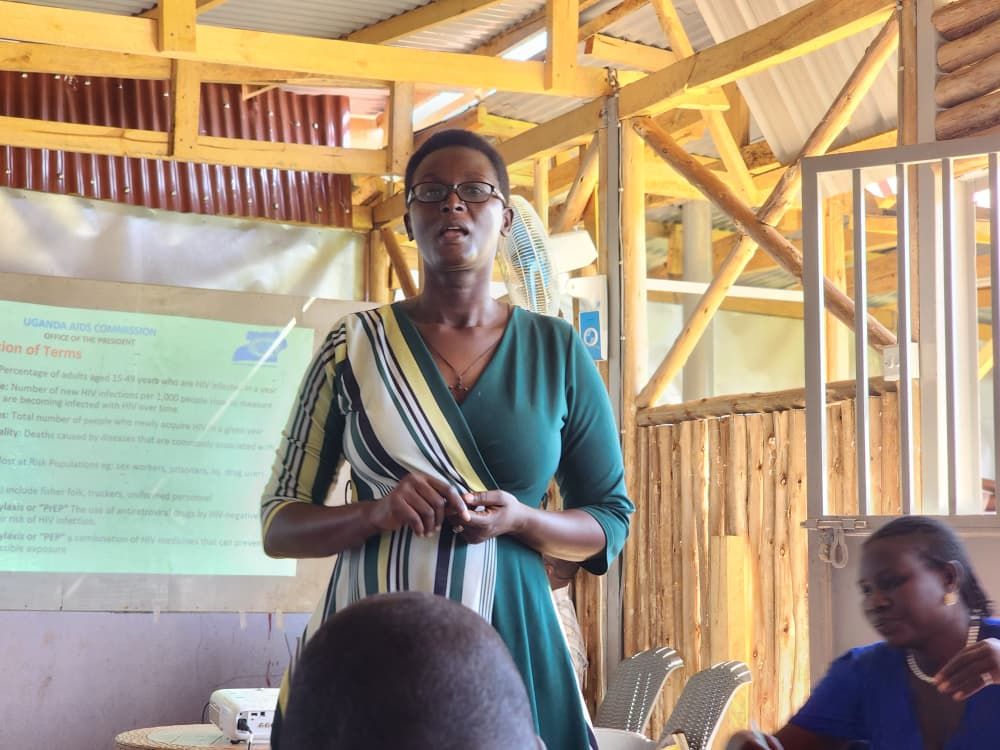
The concern was highlighted on Thursday during a workshop on HIV coordination and mainstreaming for leaders of small and medium enterprises (SMEs) in the Lango sub-region held at Happy Havens Children’s Park in Adyel Division.
Speaking at the meeting, Lira City HIV Focal Person Dr. Hillary Okello said the city’s HIV prevalence rate stands at 9%, above the regional average of 7%, making the disease a major public health and development challenge.
“HIV continues to affect people in their most productive years, reducing productivity and increasing healthcare costs for families, institutions and businesses,” Okello said.
He attributed the persistence of new infections to factors such as poverty, multiple sexual partners, commercial sex work, early sexual debut, wife inheritance and inadequate parental guidance.
According to Okello, HIV prevalence among key populations in Lira City stands at 42%, underscoring the need for targeted interventions and sustained awareness campaigns.
He also appealed to communities to stop stigmatizing people living with HIV, saying discrimination discourages many from seeking treatment and adhering to medication.
“People living with HIV can live normal and productive lives when they consistently take their treatment. Communities should support them instead of isolating or mocking them,” he said.
Okello further advised people living with HIV to maintain good nutrition, noting that a healthy diet strengthens the body and improves treatment outcomes.
The workshop also focused on prevention strategies, with participants encouraged to promote responsible behaviour and condom use to reduce the risk of infection.
Dr. Maureen Kwikiriza, the Adolescent and Young People Coordinator for HIV Prevention, said young people, particularly adolescent girls and young women, continue to face a higher risk of contracting HIV.
She noted that one in every three female sex workers is living with HIV and urged the public to embrace preventive measures such as HIV testing, faithfulness, abstinence, correct and consistent condom use, as well as uptake of Pre-Exposure Prophylaxis (PrEP) and Post-Exposure Prophylaxis (PEP).
“HIV is not only a health issue. It is also a social and economic challenge that requires collective action from families, communities, institutions and leaders,” Kwikiriza said.
Opening the workshop, National Chamber of Commerce and Industry Executive Director Morris Chris Ongom urged business leaders to support workplace HIV prevention programmes and promote healthy lifestyles among employees.
He said the private sector remains an important partner in efforts to reduce new infections and mitigate the impact of HIV on economic growth.
Nationally, an estimated 1.5 million Ugandans are living with HIV, while about 1.3 million are on antiretroviral treatment, according to Ministry of Health figures.
Although Uganda has registered significant progress in reducing AIDS-related deaths and new infections over the years, health experts warned that adolescents and young people aged between 15 and 24 years remain disproportionately affected.
They called for intensified prevention efforts and stronger community support systems to help Uganda achieve its target of ending AIDS as a public health threat by 2030.